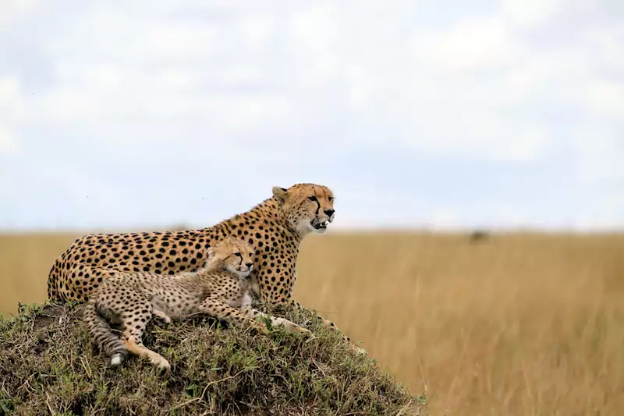
Tanzania safaris have earned their reputation as the gold standard of African wildlife experiences, attracting adventurers, nature enthusiasts, and photographers from around the globe. This magnificent country offers something truly special—a chance to witness nature’s most dramatic spectacles in landscapes that have remained virtually unchanged since the dawn of time. Whether you’re tracking the Great Migration, searching for the Big Five, or simply immersing yourself in pristine wilderness, Tanzania safaris deliver life-changing experiences that resonate long after you return home.
The Tanzania Safaris Phenomenon
The popularity of Tanzania safaris stems from the country’s extraordinary commitment to wildlife preservation combined with unmatched natural diversity. Tanzania has established one of the world’s most extensive conservation networks, protecting ecosystems that range from volcanic highlands to coastal wetlands, from semi-arid bushlands to tropical forests. This ecological variety ensures that Tanzania safaris cater to every interest and preference.
What truly distinguishes Tanzania safaris from alternatives elsewhere in Africa is the sheer authenticity of the wilderness experience. Many parks here remain genuinely remote, offering visitors the sense of discovery and adventure that characterized early African explorations. The absence of fences between many protected areas allows animals to roam freely across vast territories, maintaining natural migration routes and behavioral patterns disrupted elsewhere by human development.
Professional standards throughout Tanzania’s safari industry ensure consistently high-quality experiences. Guides undergo rigorous training and certification, vehicles meet safety and comfort specifications, and accommodations maintain standards from basic but functional to luxurious beyond imagination. This maturity in tourism development means Tanzania safaris suit both adventurous backpackers and discerning luxury travelers equally well.
Premier Destinations for Tanzania Safaris
Serengeti National Park: The Ultimate Safari Destination
The Serengeti epitomizes everything magnificent about Tanzania safaris. This 14,750-square-kilometer wilderness represents Africa in its most pristine and powerful form, supporting wildlife populations that defy modern expectations. The ecosystem functions as it has for millennia, with predator-prey relationships, competition for resources, and seasonal movements all occurring naturally.
While the Great Migration attracts most attention, the Serengeti offers extraordinary Tanzania safaris experiences throughout the year. Resident wildlife populations include approximately 3,000 lions—the world’s largest concentration—alongside substantial leopard, cheetah, and hyena numbers. Elephant bulls roam the woodlands, buffalo herds thunder across plains, and giraffes browse acacia canopies.
The park’s geographic diversity creates varied safari experiences within a single destination. Endless short-grass plains in the south provide unobstructed visibility perfect for predator spotting. Rocky kopjes rising from flatlands harbor leopards and provide lion prides with elevated vantage points. Riverine forests support different species assemblages than surrounding grasslands. Northern hills offer dramatic topography and exclusive experiences away from tourist concentrations.
Ngorongoro Conservation Area: Tanzania Safaris Icon
Ngorongoro Crater stands among the world’s most remarkable natural features, making it essential on Tanzania safaris itineraries. This volcanic caldera, the largest intact and unfilled in the world, creates a natural amphitheater where wildlife congregates in extraordinary densities. The crater’s isolation has created a unique ecosystem where animals remain year-round rather than migrating seasonally.
Descending 600 meters from the crater rim to the floor provides one of Tanzania safaris’ most dramatic moments. The landscape below unfolds like a nature documentary—herds grazing on emerald grasslands, predators stalking through golden light, flamingos decorating alkaline lakes, and the entire scene framed by towering walls creating a natural arena.
The conservation area’s importance extends beyond the famous crater. The surrounding highlands support different ecosystems including montane forests where rare species find refuge. Olduvai Gorge within the conservation area has yielded some of the most significant paleoanthropological discoveries, adding human evolution narratives to Tanzania safaris experiences.
Tarangire National Park: Underrated Tanzania Safaris Gem
Tarangire deserves far more recognition among Tanzania safaris destinations than it currently receives. This park offers some of East Africa’s highest wildlife concentrations during dry season months, rivaling even the Serengeti in animal densities. The Tarangire River becomes a critical lifeline when surrounding areas dry completely, attracting wildlife from vast territories.
Elephant viewing in Tarangire ranks among Africa’s finest. During peak dry season, herds numbering in the hundreds converge on the river, creating scenes of these gentle giants against backdrops of ancient baobab trees. The park hosts many large bulls with impressive tusks, individuals that have learned Tarangire offers relative safety from poaching pressures.
The landscape here differs dramatically from typical East African savanna imagery. Giant baobabs, some over a millennium old, dominate vistas with their otherworldly forms. These botanical ancients serve critical ecological functions, storing water during droughts, providing food for wildlife, and supporting entire communities of organisms within their hollow trunks.
Lake Manyara and Beyond
Lake Manyara National Park, though compact, delivers concentrated Tanzania safaris experiences showcasing remarkable ecological diversity. The alkaline lake attracts enormous flamingo flocks alongside diverse waterbirds. Groundwater forests create lush canopies where tree-climbing lions—behavior rare elsewhere—rest in acacia branches. The park’s varied habitats compress multiple ecosystems into a small area, maximizing wildlife diversity per square kilometer.
Beyond these famous northern circuit parks, Tanzania safaris extend to lesser-known destinations offering equally spectacular experiences. Katavi National Park in western Tanzania hosts massive buffalo herds and hippo concentrations during the dry season. Mahale Mountains National Park protects wild chimpanzee populations accessible only by boat. Nyerere National Park in southern Tanzania encompasses wilderness larger than Switzerland, offering boat safaris and walking safaris through pristine landscapes.
Tanzania Safaris Activity Options
Modern Tanzania safaris encompass diverse activities beyond traditional game drives, though vehicle-based viewing remains fundamental to most programs. Purpose-built safari vehicles feature pop-up roofs allowing 360-degree viewing, comfortable seating, and guaranteed window seats for all passengers. Professional driver-guides position vehicles optimally while maintaining safe, respectful distances from wildlife.
Walking safaris transform Tanzania safaris experiences by engaging senses vehicles isolate. The crunch of grass underfoot, aromatic bush vegetation, bird alarm calls warning of your approach, and the elevated tension of walking among potentially dangerous game create visceral connections impossible from vehicles. Armed rangers and expert guides ensure safety while interpreting tracks, scat, vegetation damage, and other signs revealing ecosystem stories.
Night game drives unveil nocturnal worlds invisible during daylight hours. Specialized spotlights illuminate eyeshine as leopards descend from day roosts, civets hunt rodents, genets prowl for prey, and rarely seen species like aardvarks and porcupines emerge. The darkness transforms familiar landscapes into mysterious realms where sounds take precedence over sight, creating entirely different Tanzania safaris experiences.
Hot air balloon safaris provide ultimate aerial perspectives. Pre-dawn launches lift passengers above awakening plains, floating silently with wind currents over wildlife herds beginning daily activities. This tranquil floating contrasts dramatically with ground-level intensity, offering unique photographic angles and broader understanding of landscape patterns, water distributions, and wildlife movements.
Photographic safaris cater specifically to serious photographers with specialized vehicles featuring beanbag stabilizers, professional guides understanding photographic needs, and itineraries timed for optimal light. These specialized Tanzania safaris maximize opportunities for portfolio-quality wildlife images while accommodating the patience and positioning professional photography demands.
Tailoring Tanzania Safaris to Your Preferences
Tanzania safaris accommodate remarkably diverse preferences through varied accommodation styles, activity combinations, and itinerary structures. Luxury lodges provide five-star amenities including gourmet dining, spa facilities, infinity pools overlooking waterholes, and impeccable service while maintaining environmental sensitivity through solar power and sustainable practices.
Permanent tented camps blend authentic safari tradition with modern comfort. These camps feature spacious canvas tents with proper beds, en-suite bathrooms, and quality furnishings while preserving the sounds and atmosphere of the bush. The canvas walls maintain authentic ambiance while providing comfort comparable to solid structures.
Mobile camping appeals to adventurers seeking maximum wilderness immersion. These temporary camps move seasonally, following wildlife movements to position guests optimally for current action. Despite mobility, facilities remain comfortable with proper beds, camp furniture, and full-service dining creating genuine bush experiences without sacrificing essential comforts.
Budget camping serves cost-conscious travelers through public campsites within parks. Basic facilities contrast sharply with luxury options, but the wildlife access and authentic bush sleeping under African skies delivers experiences money cannot buy at any price. Many budget Tanzania safaris include guided camping with all equipment, meals, and support staff provided.
Optimal Timing for Tanzania Safaris
Understanding seasonal variations helps optimize Tanzania safaris according to individual priorities. The primary dry season from June through October offers excellent general wildlife viewing as animals concentrate around diminishing water sources and reduced vegetation improves visibility. This popularity brings higher prices and increased tourist numbers, particularly in famous northern circuit parks.
The short rains in November and December transform landscapes rapidly while maintaining good game viewing conditions. Fresh vegetation growth triggers herbivore movements, many species give birth exploiting renewed food abundance, and tourist numbers decrease substantially allowing more exclusive Tanzania safaris experiences at reduced rates.
January through March delivers the spectacular Serengeti calving season when approximately 8,000 wildebeest calves are born daily during peak periods. This abundance attracts predators from across the ecosystem, creating dramatic hunting scenes as lions, cheetahs, leopards, and hyenas exploit vulnerable newborns. Photographic opportunities during this period are extraordinary.
The long rains from April through May present challenges including difficult roads and closed camps but reward adventurous travelers with lush landscapes, dramatic storm light, near-solitude in usually crowded areas, and rock-bottom pricing. This period suits experienced travelers prioritizing exclusivity and photographic conditions over guaranteed animal concentrations.
Responsible Tanzania Safaris Practices
Choosing responsible operators enhances Tanzania safaris’ positive conservation impacts while ensuring ethical wildlife interactions. Responsible operators maintain appropriate viewing distances, limit time spent at sightings allowing other vehicles access, never pursue or harass animals for better views, and strictly follow park regulations designed to minimize tourism impacts.
Tanzania safaris contribute substantially to conservation financing through multiple mechanisms. Park entrance fees fund ranger salaries, anti-poaching operations, and infrastructure maintenance. Concession fees paid by safari operators provide additional revenue. Employment opportunities create alternatives to activities threatening wildlife, while community revenue sharing aligns local interests with conservation outcomes.
Travelers amplify positive impacts through conscious choices—selecting operators with verified conservation commitments, respecting guide instructions regarding wildlife interactions, supporting community tourism initiatives, and advocating for conservation upon returning home. These individual actions, multiplied across thousands of Tanzania safaris visitors annually, create substantial collective effects supporting wildlife protection.
Conclusion
Tanzania safaris offer far more than vacation experiences—they provide profound connections with nature that reshape perspectives on humanity’s relationship with the wild world. Observing predator-prey dynamics, witnessing massive herbivore migrations, or simply watching elephant families interact creates deep appreciation for conservation imperatives and natural world complexity that modern civilization often obscures.
The country’s success balancing wildlife protection with sustainable tourism demonstrates that conservation can generate substantial economic value competing effectively with extractive land uses. This model faces ongoing challenges including human-wildlife conflict, poaching pressures, and climate change impacts, but Tanzania’s trajectory offers genuine hope for wildlife conservation globally.
Tanzania safaris vary infinitely based on season, location, weather patterns, and the countless variables making wildlife observation endlessly fascinating. No two safaris unfold identically—this unpredictability adds excitement rather than diminishing value. The country’s diversity ensures that multiple visits barely scratch the surface of available experiences across different parks, seasons, and activity types.
For anyone seeking authentic engagement with wild Africa, Tanzania safaris deliver consistently exceptional experiences. The combination of abundant wildlife, spectacular landscapes, professional infrastructure, and genuine wilderness creates adventures that satisfy first-time safari-goers while continuing to captivate experienced African travelers. Tanzania’s wild places remain magnificent and accessible, inviting exploration and guaranteeing profound experiences that enrich lives immeasurably.
Key Takeaways
- Tanzania safaris access Africa’s most extensive conservation network protecting over 42% of national territory for wildlife and ecosystems
- The Serengeti hosts approximately 3,000 lions—the world’s largest population—alongside the Great Migration involving over 2 million herbivores
- Ngorongoro Crater creates a natural wildlife arena with the world’s highest density of large predators within a volcanic caldera
- Activity diversity extends far beyond game drives to include walking safaris, night drives, balloon adventures, and specialized photographic safaris
- Accommodation options span from ultra-luxury lodges to authentic bush camping, all offering excellent wildlife access and viewing opportunities
- Seasonal variations dramatically affect experiences—each period offers distinct advantages from calving drama to migration crossings to wet season exclusivity
- Responsible operator selection and ethical wildlife viewing practices amplify tourism’s positive conservation impacts throughout Tanzania
- Lesser-known parks including Tarangire, Katavi, and Nyerere offer equally spectacular wildlife with significantly fewer visitors and lower costs
Frequently Asked Questions
How do Tanzania safaris compare in price to other African safari destinations?
Tanzania safaris generally cost more than equivalent experiences in South Africa or Namibia but remain competitive with Kenya, Botswana, and Zambia. Higher costs reflect Tanzania’s conservation investments through steep park fees ($60-80 daily per person), quality infrastructure, and professional guiding standards. Budget options exist starting around $200-300 daily per person, mid-range safaris cost $400-700 daily, while luxury experiences reach $1,000-2,000+ daily. Value depends on priorities—Tanzania excels in wilderness authenticity and wildlife abundance justifying premium pricing for many travelers.
What wildlife can I realistically expect to see on Tanzania safaris?
Tanzania safaris virtually guarantee sightings of elephants, zebras, wildebeest, giraffes, buffalo, hippos, various antelope species, baboons, and numerous bird species. Lions are observed on most multi-day safaris given their abundance. Leopards require more patience but are regularly spotted, particularly in areas like Seronera and along rivers. Cheetahs are commonly seen on open plains. Black rhinos are reliably viewed only in Ngorongoro Crater. Wild dogs remain rare and unpredictable. Overall, Tanzania’s exceptional wildlife densities ensure memorable encounters even if specific rare species elude observation.
Are Tanzania safaris physically demanding?
Traditional vehicle-based Tanzania safaris require minimal physical fitness. Most time is spent comfortably seated in safari vehicles with occasional short walks at lodges and viewpoints. Walking safaris demand moderate fitness for 2-4 hours of walking on uneven terrain at altitude. Bush camping may require navigating rustic facilities. Travelers with mobility limitations should communicate needs to operators who can arrange appropriate accommodations and vehicle modifications. Overall, Tanzania safaris accommodate most fitness levels with proper planning and operator communication.
What vaccinations and health preparations are required for Tanzania safaris?
Yellow fever vaccination is mandatory only if arriving from endemic countries but may be requested at discretion of immigration officials. Recommended vaccinations include hepatitis A and B, typhoid, tetanus, and routine immunizations. Malaria prophylaxis is strongly advised for all Tanzania safaris areas. Consult travel medicine specialists 6-8 weeks before departure for personalized recommendations based on your itinerary and health history. Comprehensive travel insurance covering medical evacuation is essential given remote locations. Bring adequate supplies of prescription medications plus extras for potential delays.
Can I customize my Tanzania safaris itinerary?
Most Tanzania safaris operators offer fully customizable itineraries tailored to your interests, budget, and schedule. Private safaris provide maximum flexibility in daily schedules, park selections, accommodation choices, and activity preferences. Joining scheduled group safaris reduces costs but limits customization to fixed itineraries. Customization factors include park selections, accommodation levels, activity types (walking safaris, night drives, cultural visits), pacing (relaxed versus intensive game viewing), and special interests (birding, photography, specific species). Discuss preferences thoroughly during planning to ensure your Tanzania safaris match expectations.
What should I pack for Tanzania safaris?
Essential items include neutral-colored clothing (khaki, olive, tan) in lightweight breathable fabrics, avoiding bright colors and camouflage patterns. Bring layers for temperature variations from cold mornings (10°C/50°F) to hot middays (30°C/86°F+). Pack comfortable closed-toe shoes or boots, wide-brimmed hat, quality sunglasses, high-SPF sunscreen, and insect repellent. Photography equipment should include a telephoto zoom lens (minimum 200mm, ideally 400mm+), extra batteries, abundant memory cards, and lens cleaning supplies. Binoculars significantly enhance wildlife observation. Most lodges offer laundry services allowing lighter packing. Soft-sided luggage is mandatory for domestic flights with 15kg weight limits.
How far in advance should I book Tanzania safaris?
Book Tanzania safaris 6-12 months ahead for peak season travel (June-October) when top lodges and camps fill early. Migration viewing periods (river crossings July-October, calving season January-March) require even earlier booking for premium accommodations. Shoulder seasons (November-December, March-May) offer more flexibility with 3-6 months advance booking typically sufficient. Last-minute deals occasionally arise for immediate travel but limit choices significantly. Popular lodges in prime locations book out earliest while budget camping remains generally available with shorter notice. Early booking ensures preferred accommodations, better prices, and optimal itinerary arrangements.