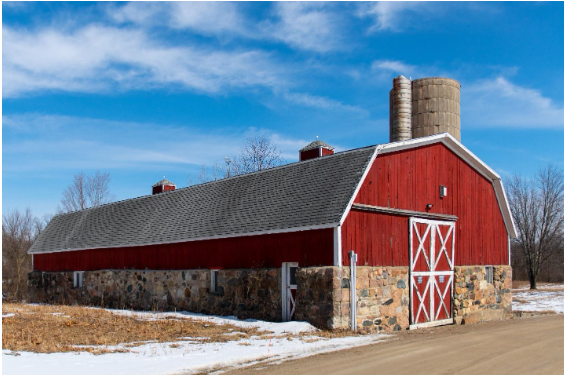
Farm buildings might appear simple when they are complete, yet there is a great deal to get right before the first wall is ever constructed. Good structures begin with proper planning, preparation of the site, and the involvement of the correct professionals in every step.
Knowing the way farm buildings are constructed assists the property owners to make superior decisions, pose pertinent questions, and prevent making expensive errors. The steps involved in the preparation, setting of posts, and framing of a building are discussed here.
Planning before Construction
Every successful farm building is a result of a plan of action. This involves selecting the appropriate site, questioning zoning regulations, and knowing how the land will perform at various seasons. The location of the building and the manner in which the building is constructed are all affected by the slopes, the type of soil, and the flow of water. Early planning guarantees the availability of equipment, adequate drainage, and space to expand in the future.
Groundwork Companies
Groundworks companies are the ones that deal with the important stage of preparing raw land to be built on. They are involved in clearing vegetation, site grading, soil compaction, and drainage installation. If this step is not executed correctly, the building can drift, flood, or become unevenly settled over time.
Professional groundwork contractors know how to stabilize soil and control the movement of water. Farm buildings containing heavy machinery or livestock, when they are properly laid, provide a strong foundation that safeguards the entire structure.
Drainage and Soil Stability
The use of water is one of the largest issues in the construction of farms. Weak foundations, muddy access areas, and standing water are caused by poor drainage. Preparation of the ground may also involve grading of the ground to guide out the runoff of the building and adding drainage solution where necessary. The presence of stable soil and controlled water flow will lower maintenance costs over the long term and keep the building usable year-round.
Pole Barn Builders
Pole barn builders then proceed with the construction after the site has been prepared. Their work is oriented towards post placement, wall framing, and the structure of the building. Due to the fact that pole barns are dependent on posts that are pressed deeply into the ground, precision is essential at this point. Poor alignment may lead to structural stress and unequal distribution of load.
Pole builders are experienced workers who understand how to modify the building techniques according to the ground conditions and the size of the building. They will ensure that posts are set to the required depth, well-braced, and permanently installed. This stage forms the structure that will be used in roofing, siding, and internal usage.
Strength and Function Framing
Framing dictates how the building carries weight, wind, and day-to-day loads. The roof trusses, wall girts, and support beams should collaborate in order to form a rigid structure. Constructors will consider what will be used in the building, whether it is for storing equipment, housing livestock, or serving as a workshop. With proper framing, the interior is wide and has high ceilings, allowing easy movement of machinery without compromising structural integrity.