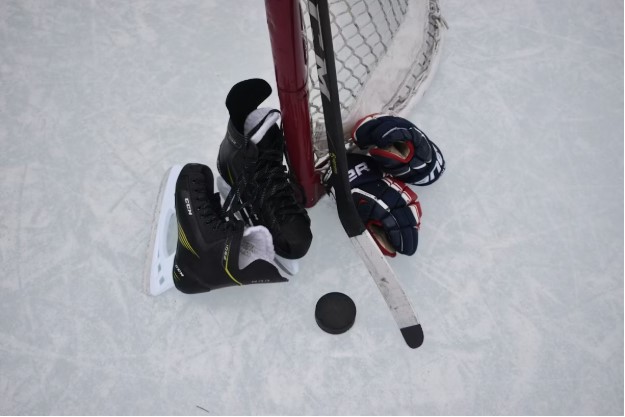
Hockey is a high-intensity sport that requires precision, strength, speed, and consistent practice. Whether you are a beginner learning the basics or an advanced player refining your techniques, having the right training tools can significantly impact your progress. Proper equipment not only improves performance but also helps players practice more effectively and safely. By investing in essential training tools, athletes can enhance their skills both on and off the ice.
Below are five hockey training essentials that can help you take your game to the next level.
1. Hockey Shooting Tarp for Accuracy and Precision
Hockey Shooting Tarp is one of the most valuable training tools for improving shooting accuracy. It is designed to cover the goal net while leaving small target openings in the corners and upper sections. Practicing with a shooting tarp helps players focus on precise shot placement rather than simply aiming at the net.
Regular use improves hand-eye coordination, wrist strength, and shooting confidence. This tool is especially useful for home or backyard practice, allowing players to train consistently without needing a goalie.
2. Quality Hockey Stick Suited to Your Playing Style
Choosing the right hockey stick plays a major role in skill development. Factors such as flex, blade curve, and stick length affect shooting power, puck control, and passing accuracy. A well-fitted stick improves comfort and reduces fatigue during training sessions.
Players should select a stick that matches their height, position, and playing preferences. Investing in a high-quality stick enhances overall performance and allows for more efficient skill improvement.
3. Off-Ice Training Equipment for Strength and Balance
Off-ice training equipment is essential for building physical fitness and coordination. Items such as resistance bands, balance boards, slide boards, and agility ladders help develop strength, flexibility, and stability. These tools improve skating mechanics, core strength, and endurance.
Off-ice training also reduces injury risks by strengthening supporting muscles. Regular conditioning ensures players remain competitive and physically prepared throughout the season.
4. Protective Gear for Safe and Confident Practice
Safety is a critical part of effective hockey training. Proper protective gear, including helmets, gloves, shin guards, shoulder pads, and mouthguards, protects players from injuries. When athletes feel safe, they can practice more aggressively and confidently.
Well-fitted equipment also improves mobility and comfort, allowing players to focus fully on technique and performance. Maintaining quality protective gear ensures long-term physical well-being.
5. Training Cones and Passing Rebounders for Skill Drills
Training cones and passing rebounders are excellent tools for improving puck handling, passing accuracy, and movement patterns. Cones help create obstacle courses for stickhandling and skating drills, while rebounders allow players to practice passing and receiving independently.
These tools simulate real-game situations and enhance reaction time. Consistent use improves coordination, speed, and overall control on the ice.
Final Words
Improving hockey skills requires dedication, discipline, and the right training equipment. Using a shooting tarp, selecting a suitable stick, investing in off-ice training tools, wearing proper protective gear, and practicing with cones and rebounders can significantly enhance performance. These essentials support consistent development and help players build confidence in their abilities. With the right resources and regular practice, athletes can continue progressing and achieve long-term success in hockey.